Luxury Spa Trends 2026: What High-End Wellness Guests Expect
A practical guide to the luxury spa trends shaping 2026, from recovery-led rituals and longevity screening to discreet personalization and hospitality design. This guide is written for travelers and hospitality teams who want more than a pleasant treatment menu. It explains how to judge the details that create trust: arrival rhythm, therapist expertise, privacy, sensory design, safety and aftercare. For a broader planning view, see our private wellness concierge planning; for service-level comparison, use our signature luxury spa treatments.
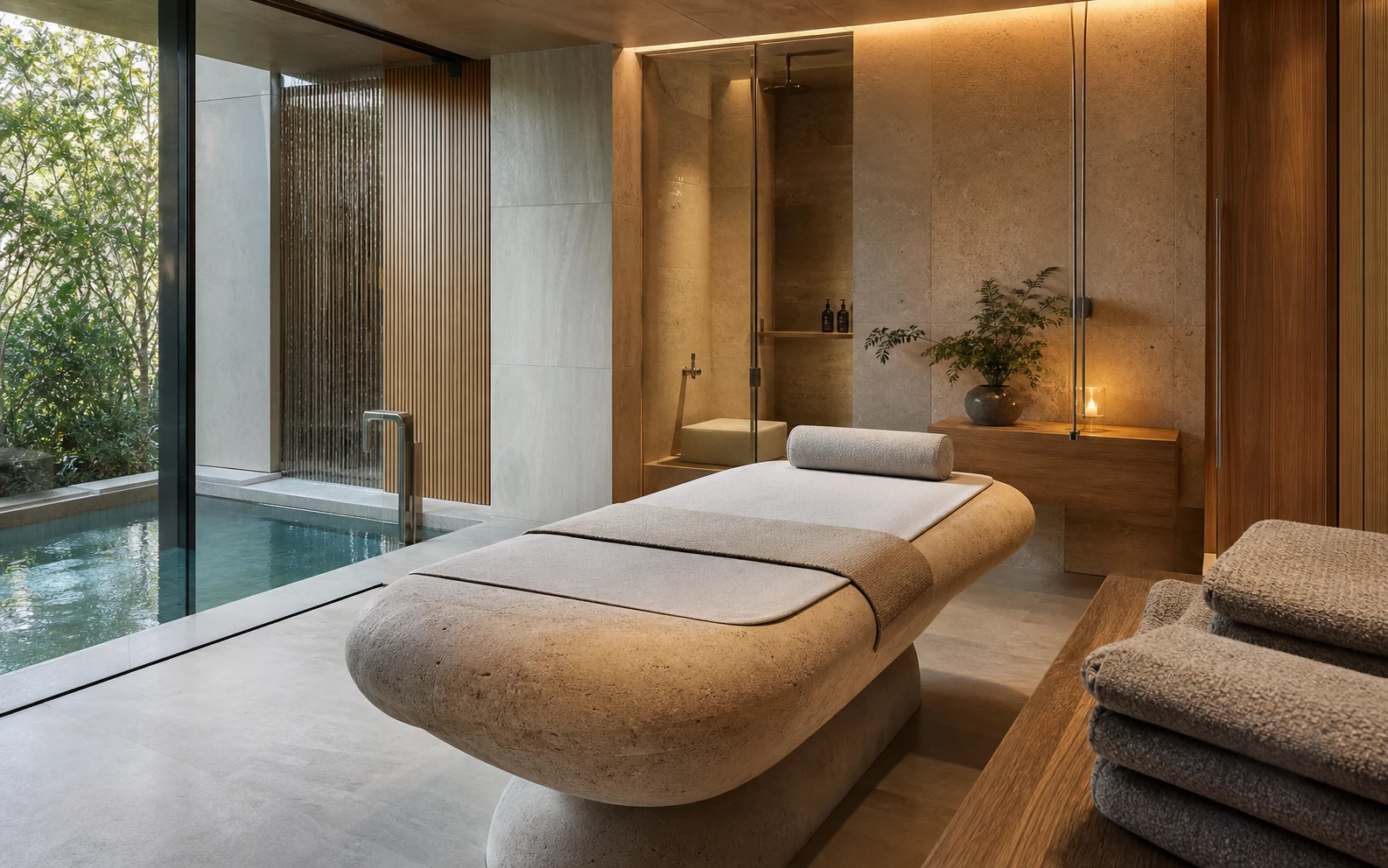
Wellness moves from pampering to measurable recovery
For luxury spa trends 2026: what high-end wellness guests expect, the practical question is not whether wellness moves from pampering to measurable recovery sounds attractive. The real test is whether the spa can translate it into a clear guest experience. Look for sleep quality, mobility and stress recovery that are visible in the booking journey, not only in marketing language. A premium property should be able to explain how the choice affects comfort, recovery, privacy and time. When those details are vague, guests often pay for a beautiful room rather than a better wellness result.
Questions worth asking
The strongest operators make this easy to evaluate. They train staff to ask precise questions, document preferences, and adjust the visit around skin resilience. They also remove small frictions: unclear arrival instructions, noisy waiting areas, crowded thermal zones, rushed retail moments and confusing package inclusions. In a luxury context, consistency is part of the treatment. Guests want to leave with a felt improvement and a simple explanation of what changed. This is why the best spa journeys feel calm even when the operation behind them is highly disciplined.
- Sleep Quality: ask how the property handles this before arrival, during treatment and after the visit.
- Mobility: ask how the property handles this before arrival, during treatment and after the visit.
- Stress Recovery: ask how the property handles this before arrival, during treatment and after the visit.
- Skin Resilience: ask how the property handles this before arrival, during treatment and after the visit.
Privacy becomes a luxury signal
For luxury spa trends 2026: what high-end wellness guests expect, the practical question is not whether privacy becomes a luxury signal sounds attractive. The real test is whether the spa can translate it into a clear guest experience. Look for private arrival, quiet corridors and reserved wet areas that are visible in the booking journey, not only in marketing language. A premium property should be able to explain how the choice affects comfort, recovery, privacy and time. When those details are vague, guests often pay for a beautiful room rather than a better wellness result.
What to evaluate
The strongest operators make this easy to evaluate. They train staff to ask precise questions, document preferences, and adjust the visit around discreet staff handoffs. They also remove small frictions: unclear arrival instructions, noisy waiting areas, crowded thermal zones, rushed retail moments and confusing package inclusions. In a luxury context, consistency is part of the treatment. The highest value moments often happen before the treatment starts. This is why the best spa journeys feel calm even when the operation behind them is highly disciplined.
- Private Arrival: ask how the property handles this before arrival, during treatment and after the visit.
- Quiet Corridors: ask how the property handles this before arrival, during treatment and after the visit.
- Reserved Wet Areas: ask how the property handles this before arrival, during treatment and after the visit.
- Discreet Staff Handoffs: ask how the property handles this before arrival, during treatment and after the visit.
Longevity language needs hospitality warmth
For luxury spa trends 2026: what high-end wellness guests expect, the practical question is not whether longevity language needs hospitality warmth sounds attractive. The real test is whether the spa can translate it into a clear guest experience. Look for assessment, ritual and nutrition that are visible in the booking journey, not only in marketing language. A premium property should be able to explain how the choice affects comfort, recovery, privacy and time. When those details are vague, guests often pay for a beautiful room rather than a better wellness result.
Questions worth asking
The strongest operators make this easy to evaluate. They train staff to ask precise questions, document preferences, and adjust the visit around movement. They also remove small frictions: unclear arrival instructions, noisy waiting areas, crowded thermal zones, rushed retail moments and confusing package inclusions. In a luxury context, consistency is part of the treatment. Clinical credibility works best when it is translated into calming service design. This is why the best spa journeys feel calm even when the operation behind them is highly disciplined.
- Assessment: ask how the property handles this before arrival, during treatment and after the visit.
- Ritual: ask how the property handles this before arrival, during treatment and after the visit.
- Nutrition: ask how the property handles this before arrival, during treatment and after the visit.
- Movement: ask how the property handles this before arrival, during treatment and after the visit.
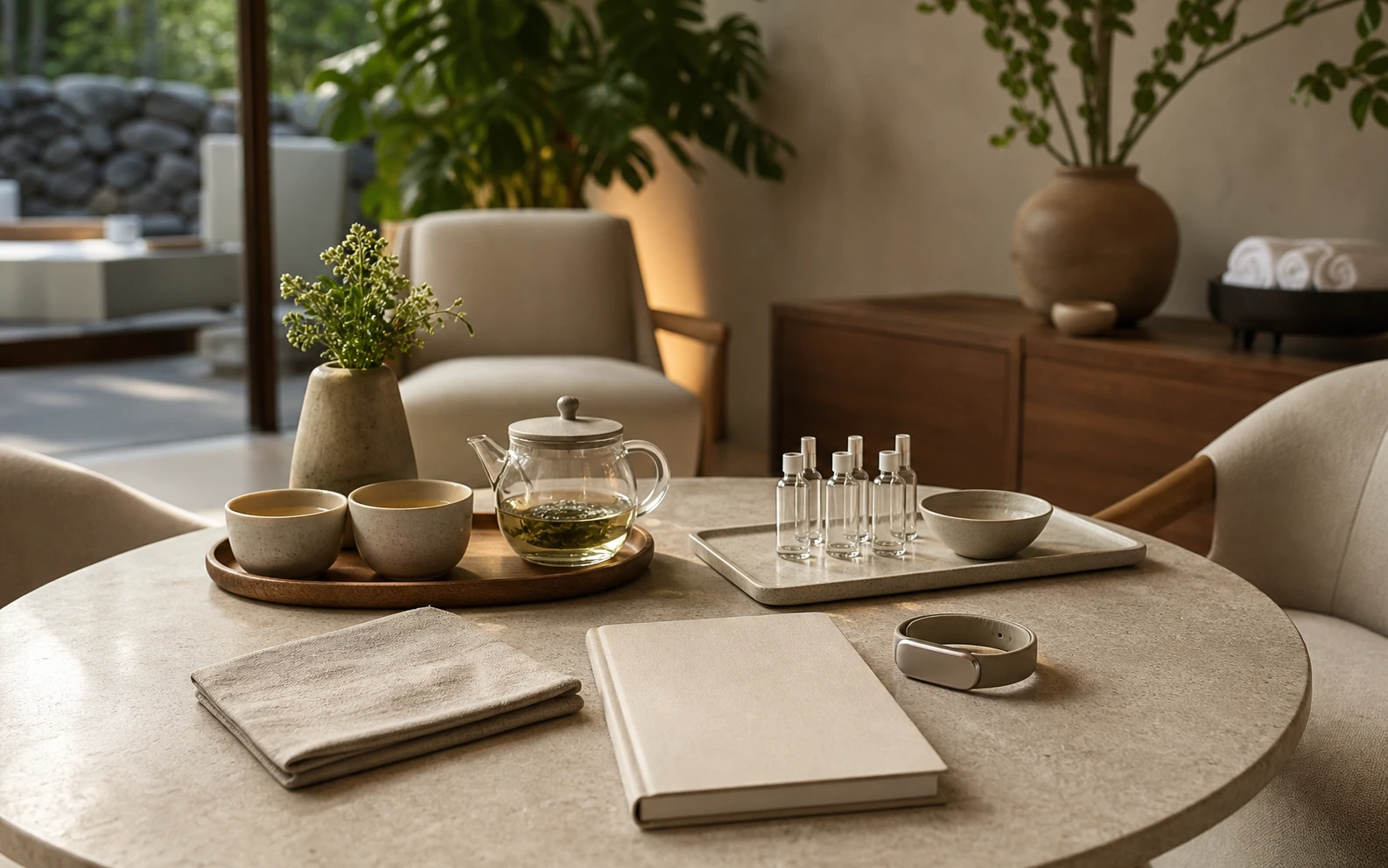
Local ritual is the new differentiator
For luxury spa trends 2026: what high-end wellness guests expect, the practical question is not whether local ritual is the new differentiator sounds attractive. The real test is whether the spa can translate it into a clear guest experience. Look for regional botanicals, hands-on craft and seasonal ingredients that are visible in the booking journey, not only in marketing language. A premium property should be able to explain how the choice affects comfort, recovery, privacy and time. When those details are vague, guests often pay for a beautiful room rather than a better wellness result.
What to evaluate
The strongest operators make this easy to evaluate. They train staff to ask precise questions, document preferences, and adjust the visit around cultural respect. They also remove small frictions: unclear arrival instructions, noisy waiting areas, crowded thermal zones, rushed retail moments and confusing package inclusions. In a luxury context, consistency is part of the treatment. Travelers want a sense of place without theatrical clichés. This is why the best spa journeys feel calm even when the operation behind them is highly disciplined.
- Regional Botanicals: ask how the property handles this before arrival, during treatment and after the visit.
- Hands-On Craft: ask how the property handles this before arrival, during treatment and after the visit.
- Seasonal Ingredients: ask how the property handles this before arrival, during treatment and after the visit.
- Cultural Respect: ask how the property handles this before arrival, during treatment and after the visit.
Digital convenience should stay almost invisible
For luxury spa trends 2026: what high-end wellness guests expect, the practical question is not whether digital convenience should stay almost invisible sounds attractive. The real test is whether the spa can translate it into a clear guest experience. Look for pre-arrival intake, preference memory and simple booking that are visible in the booking journey, not only in marketing language. A premium property should be able to explain how the choice affects comfort, recovery, privacy and time. When those details are vague, guests often pay for a beautiful room rather than a better wellness result.
Questions worth asking
The strongest operators make this easy to evaluate. They train staff to ask precise questions, document preferences, and adjust the visit around post-visit notes. They also remove small frictions: unclear arrival instructions, noisy waiting areas, crowded thermal zones, rushed retail moments and confusing package inclusions. In a luxury context, consistency is part of the treatment. Technology should reduce friction rather than compete with the atmosphere. This is why the best spa journeys feel calm even when the operation behind them is highly disciplined.
- Pre-Arrival Intake: ask how the property handles this before arrival, during treatment and after the visit.
- Preference Memory: ask how the property handles this before arrival, during treatment and after the visit.
- Simple Booking: ask how the property handles this before arrival, during treatment and after the visit.
- Post-Visit Notes: ask how the property handles this before arrival, during treatment and after the visit.
Design becomes quieter and more sensory
For luxury spa trends 2026: what high-end wellness guests expect, the practical question is not whether design becomes quieter and more sensory sounds attractive. The real test is whether the spa can translate it into a clear guest experience. Look for acoustics, texture and temperature that are visible in the booking journey, not only in marketing language. A premium property should be able to explain how the choice affects comfort, recovery, privacy and time. When those details are vague, guests often pay for a beautiful room rather than a better wellness result.
What to evaluate
The strongest operators make this easy to evaluate. They train staff to ask precise questions, document preferences, and adjust the visit around light rhythm. They also remove small frictions: unclear arrival instructions, noisy waiting areas, crowded thermal zones, rushed retail moments and confusing package inclusions. In a luxury context, consistency is part of the treatment. In 2026, the best spas feel composed, not decorated. This is why the best spa journeys feel calm even when the operation behind them is highly disciplined.
- Acoustics: ask how the property handles this before arrival, during treatment and after the visit.
- Texture: ask how the property handles this before arrival, during treatment and after the visit.
- Temperature: ask how the property handles this before arrival, during treatment and after the visit.
- Light Rhythm: ask how the property handles this before arrival, during treatment and after the visit.
How to use this guide
The simplest way to make a confident decision is to compare three properties using the same questions. Score each one for treatment depth, staff clarity, privacy, thermal facilities, nutrition, post-visit guidance and ease of booking. A property that explains its process clearly before payment is usually more reliable than one relying only on mood imagery or broad promises.
Luxury wellness is personal, but it should not feel mysterious. The best spas make their expertise legible while preserving the softness of the experience. When the guest understands what will happen, why it matters and how the team will adapt it, the visit becomes easier to trust and easier to enjoy.