The Rise of Medical Wellness Retreats in Luxury Hospitality
What travelers should know before booking a medical wellness retreat, including diagnostics, safety, personalization, service standards and follow-up. This guide is written for travelers and hospitality teams who want more than a pleasant treatment menu. It explains how to judge the details that create trust: arrival rhythm, therapist expertise, privacy, sensory design, safety and aftercare. For a broader planning view, see our wellness retreat planning; for service-level comparison, use our World Luxury Spa editorial standards.
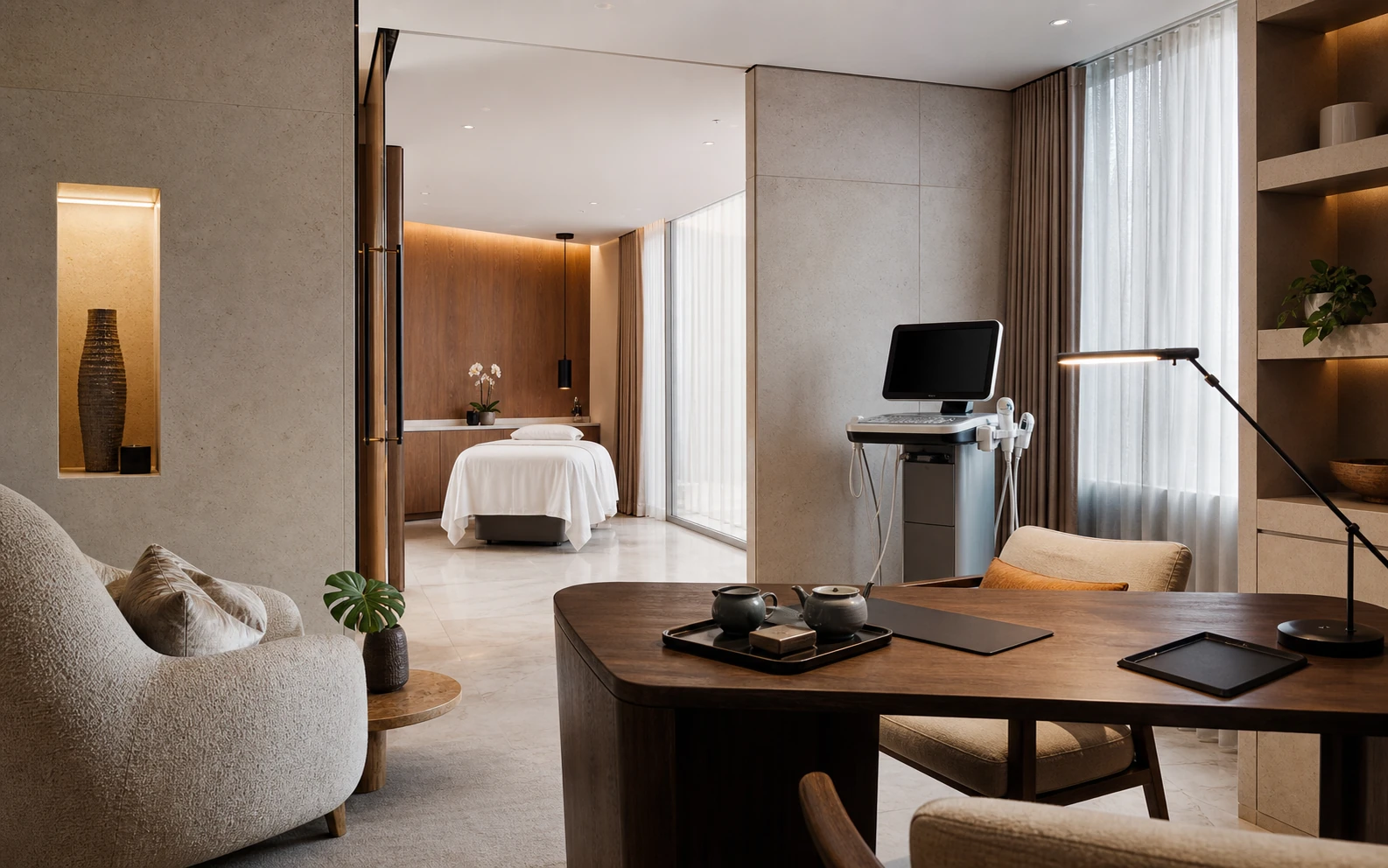
Medical wellness is not the same as a spa upgrade
For the rise of medical wellness retreats in luxury hospitality, the practical question is not whether medical wellness is not the same as a spa upgrade sounds attractive. The real test is whether the spa can translate it into a clear guest experience. Look for licensed oversight, screening and risk review that are visible in the booking journey, not only in marketing language. A premium property should be able to explain how the choice affects comfort, recovery, privacy and time. When those details are vague, guests often pay for a beautiful room rather than a better wellness result.
Questions worth asking
The strongest operators make this easy to evaluate. They train staff to ask precise questions, document preferences, and adjust the visit around clear boundaries. They also remove small frictions: unclear arrival instructions, noisy waiting areas, crowded thermal zones, rushed retail moments and confusing package inclusions. In a luxury context, consistency is part of the treatment. The word medical should signal responsibility, not just intensity. This is why the best spa journeys feel calm even when the operation behind them is highly disciplined.
- Licensed Oversight: ask how the property handles this before arrival, during treatment and after the visit.
- Screening: ask how the property handles this before arrival, during treatment and after the visit.
- Risk Review: ask how the property handles this before arrival, during treatment and after the visit.
- Clear Boundaries: ask how the property handles this before arrival, during treatment and after the visit.
Diagnostics should lead to useful decisions
For the rise of medical wellness retreats in luxury hospitality, the practical question is not whether diagnostics should lead to useful decisions sounds attractive. The real test is whether the spa can translate it into a clear guest experience. Look for blood markers, sleep data and movement screening that are visible in the booking journey, not only in marketing language. A premium property should be able to explain how the choice affects comfort, recovery, privacy and time. When those details are vague, guests often pay for a beautiful room rather than a better wellness result.
What to evaluate
The strongest operators make this easy to evaluate. They train staff to ask precise questions, document preferences, and adjust the visit around skin analysis. They also remove small frictions: unclear arrival instructions, noisy waiting areas, crowded thermal zones, rushed retail moments and confusing package inclusions. In a luxury context, consistency is part of the treatment. Good testing helps personalize the stay without overwhelming the guest. This is why the best spa journeys feel calm even when the operation behind them is highly disciplined.
- Blood Markers: ask how the property handles this before arrival, during treatment and after the visit.
- Sleep Data: ask how the property handles this before arrival, during treatment and after the visit.
- Movement Screening: ask how the property handles this before arrival, during treatment and after the visit.
- Skin Analysis: ask how the property handles this before arrival, during treatment and after the visit.
Luxury service must protect informed consent
For the rise of medical wellness retreats in luxury hospitality, the practical question is not whether luxury service must protect informed consent sounds attractive. The real test is whether the spa can translate it into a clear guest experience. Look for plain language, choice and privacy that are visible in the booking journey, not only in marketing language. A premium property should be able to explain how the choice affects comfort, recovery, privacy and time. When those details are vague, guests often pay for a beautiful room rather than a better wellness result.
Questions worth asking
The strongest operators make this easy to evaluate. They train staff to ask precise questions, document preferences, and adjust the visit around documentation. They also remove small frictions: unclear arrival instructions, noisy waiting areas, crowded thermal zones, rushed retail moments and confusing package inclusions. In a luxury context, consistency is part of the treatment. Guests should feel guided rather than pushed into protocols. This is why the best spa journeys feel calm even when the operation behind them is highly disciplined.
- Plain Language: ask how the property handles this before arrival, during treatment and after the visit.
- Choice: ask how the property handles this before arrival, during treatment and after the visit.
- Privacy: ask how the property handles this before arrival, during treatment and after the visit.
- Documentation: ask how the property handles this before arrival, during treatment and after the visit.
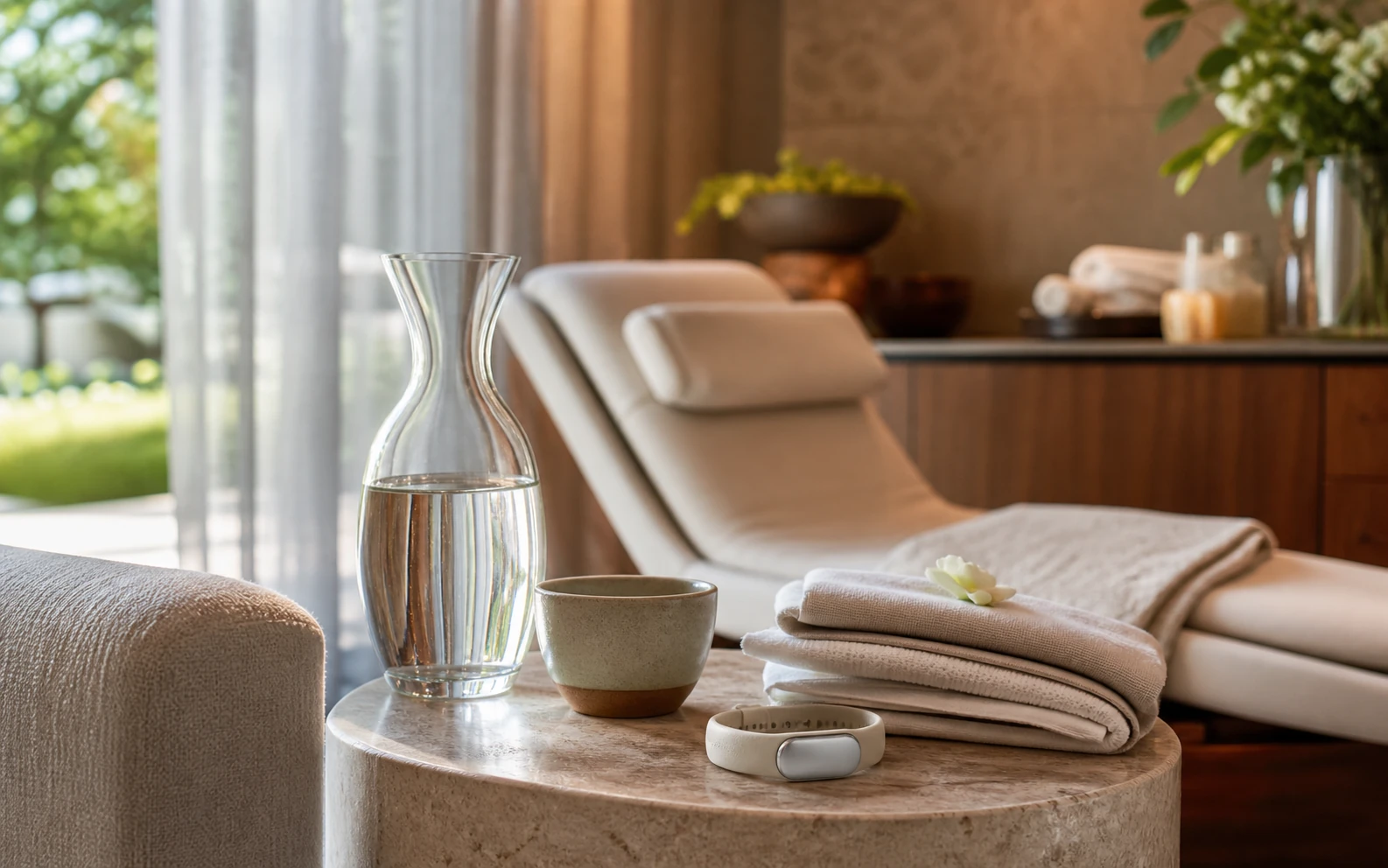
Recovery design matters as much as treatment design
For the rise of medical wellness retreats in luxury hospitality, the practical question is not whether recovery design matters as much as treatment design sounds attractive. The real test is whether the spa can translate it into a clear guest experience. Look for rest windows, nutrition and quiet spaces that are visible in the booking journey, not only in marketing language. A premium property should be able to explain how the choice affects comfort, recovery, privacy and time. When those details are vague, guests often pay for a beautiful room rather than a better wellness result.
What to evaluate
The strongest operators make this easy to evaluate. They train staff to ask precise questions, document preferences, and adjust the visit around gentle movement. They also remove small frictions: unclear arrival instructions, noisy waiting areas, crowded thermal zones, rushed retail moments and confusing package inclusions. In a luxury context, consistency is part of the treatment. A retreat schedule can succeed or fail in the empty hours between sessions. This is why the best spa journeys feel calm even when the operation behind them is highly disciplined.
- Rest Windows: ask how the property handles this before arrival, during treatment and after the visit.
- Nutrition: ask how the property handles this before arrival, during treatment and after the visit.
- Quiet Spaces: ask how the property handles this before arrival, during treatment and after the visit.
- Gentle Movement: ask how the property handles this before arrival, during treatment and after the visit.
The best programs connect back to everyday life
For the rise of medical wellness retreats in luxury hospitality, the practical question is not whether the best programs connect back to everyday life sounds attractive. The real test is whether the spa can translate it into a clear guest experience. Look for home plan, follow-up notes and provider referrals that are visible in the booking journey, not only in marketing language. A premium property should be able to explain how the choice affects comfort, recovery, privacy and time. When those details are vague, guests often pay for a beautiful room rather than a better wellness result.
Questions worth asking
The strongest operators make this easy to evaluate. They train staff to ask precise questions, document preferences, and adjust the visit around habit design. They also remove small frictions: unclear arrival instructions, noisy waiting areas, crowded thermal zones, rushed retail moments and confusing package inclusions. In a luxury context, consistency is part of the treatment. The measure of quality is what remains useful two weeks later. This is why the best spa journeys feel calm even when the operation behind them is highly disciplined.
- Home Plan: ask how the property handles this before arrival, during treatment and after the visit.
- Follow-Up Notes: ask how the property handles this before arrival, during treatment and after the visit.
- Provider Referrals: ask how the property handles this before arrival, during treatment and after the visit.
- Habit Design: ask how the property handles this before arrival, during treatment and after the visit.
Travelers should ask sharper questions before booking
For the rise of medical wellness retreats in luxury hospitality, the practical question is not whether travelers should ask sharper questions before booking sounds attractive. The real test is whether the spa can translate it into a clear guest experience. Look for credentials, contraindications and emergency process that are visible in the booking journey, not only in marketing language. A premium property should be able to explain how the choice affects comfort, recovery, privacy and time. When those details are vague, guests often pay for a beautiful room rather than a better wellness result.
What to evaluate
The strongest operators make this easy to evaluate. They train staff to ask precise questions, document preferences, and adjust the visit around data handling. They also remove small frictions: unclear arrival instructions, noisy waiting areas, crowded thermal zones, rushed retail moments and confusing package inclusions. In a luxury context, consistency is part of the treatment. A beautiful setting does not replace operational clarity. This is why the best spa journeys feel calm even when the operation behind them is highly disciplined.
- Credentials: ask how the property handles this before arrival, during treatment and after the visit.
- Contraindications: ask how the property handles this before arrival, during treatment and after the visit.
- Emergency Process: ask how the property handles this before arrival, during treatment and after the visit.
- Data Handling: ask how the property handles this before arrival, during treatment and after the visit.
How to use this guide
The simplest way to make a confident decision is to compare three properties using the same questions. Score each one for treatment depth, staff clarity, privacy, thermal facilities, nutrition, post-visit guidance and ease of booking. A property that explains its process clearly before payment is usually more reliable than one relying only on mood imagery or broad promises.
Luxury wellness is personal, but it should not feel mysterious. The best spas make their expertise legible while preserving the softness of the experience. When the guest understands what will happen, why it matters and how the team will adapt it, the visit becomes easier to trust and easier to enjoy.